

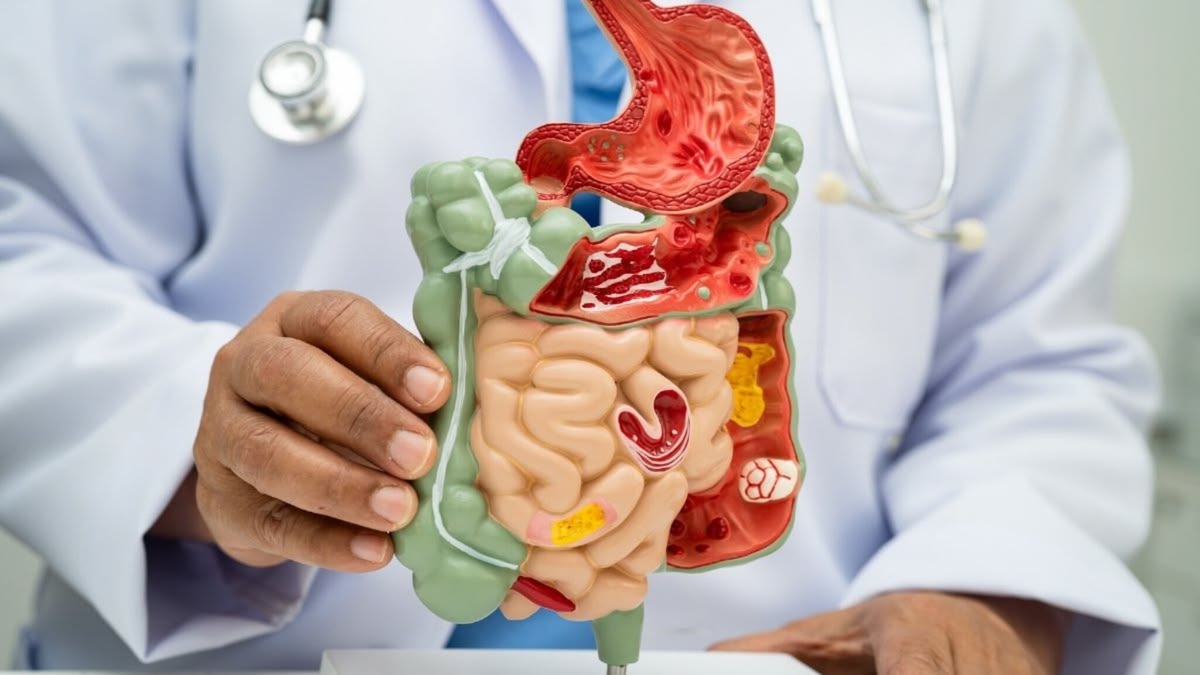
Haemorrhoids are swollen blood vessels in the lower rectum or anus that can cause symptoms such as bleeding, itching, discomfort or a lump around the anus. The appropriate approach to haemorrhoids treatment Singapore depends on factors such as the severity of the condition, the symptoms experienced and how much they affect daily life.
Many cases can be managed with lifestyle changes, medication or non-surgical procedures. However, persistent, recurrent or severe haemorrhoids may require procedural or surgical treatment. Understanding the grade of haemorrhoids is an important first step in deciding whether haemorrhoids treatment in Singapore should involve conservative care, a procedure or surgery.
Understanding The Four Grades Of Haemorrhoids
Internal haemorrhoids are commonly classified into four grades based on whether they prolapse, or protrude from the anus, and whether they return inside on their own. The grades are:
- Grade 1: Haemorrhoids remain inside the anus. They may cause bleeding but do not prolapse.
- Grade 2: Haemorrhoids protrude during bowel movements but return inside on their own afterwards.
- Grade 3: Haemorrhoids prolapse during bowel movements and need to be pushed back manually.
- Grade 4: Haemorrhoids remain prolapsed and cannot be pushed back into the anus.
The grade provides a useful guide when assessing haemorrhoids and considering treatment. However, treatment decisions are not based on the grade alone. A colorectal surgeon may also consider the severity and frequency of symptoms, degree of prolapse, bleeding, discomfort and whether previous treatments have been effective.
Conservative Treatment For Haemorrhoids
For mild haemorrhoids, particularly Grade 1 and some Grade 2 cases, treatment may begin with conservative measures aimed at reducing symptoms and preventing further irritation. These approaches can include:
- Increasing fibre intake: Fibre can help soften stools and make bowel movements easier.
- Drinking sufficient fluids: Adequate fluid intake can support softer stools and reduce constipation.
- Avoiding straining: Excessive pushing during bowel movements can place additional pressure on haemorrhoidal tissues.
- Spending less time on the toilet: Prolonged sitting on the toilet may increase pressure around the anus.
- Managing constipation: Addressing constipation can help reduce repeated irritation and straining.
- Topical medications: Depending on the symptoms, certain creams or suppositories may provide temporary relief from itching, irritation or discomfort.
These measures may be sufficient for some people, particularly when symptoms are mild or occur occasionally. However, persistent bleeding, prolapse or recurrent symptoms may require further assessment and other treatment options.
Non-Surgical And Minimally Invasive Treatment Options
When symptoms continue despite lifestyle measures, non-surgical or minimally invasive procedures may be considered. The choice depends on the grade and type of haemorrhoids, as well as the patient’s symptoms. Common options include:
- Rubber Band Ligation: Small rubber bands are placed around suitable internal haemorrhoids to restrict their blood supply. The treated tissue gradually shrinks and separates.
- Sclerotherapy: A solution is injected into the haemorrhoid to encourage it to shrink. This may be considered for selected internal haemorrhoids, particularly when bleeding is a prominent symptom.
- Infrared Coagulation: Infrared energy is applied to the haemorrhoid to create controlled tissue changes that can help reduce bleeding and cause the tissue to shrink.
These treatments are generally considered before surgery for suitable patients. They may be particularly relevant for some Grade 1 and Grade 2 haemorrhoids, although the appropriate option varies according to the individual case. For larger haemorrhoids, significant prolapse or symptoms that continue despite these approaches, a colorectal surgeon may discuss surgical treatment.
When Is Surgery Considered For Haemorrhoids?
Surgery may be considered when haemorrhoids continue to cause significant or recurring symptoms despite conservative measures or non-surgical treatments. This may be more relevant for larger haemorrhoids or those with significant prolapse, including some Grade 3 and Grade 4 haemorrhoids.
Patients who experience persistent bleeding, discomfort, recurrent prolapse or symptoms that interfere with daily activities may also require further treatment. Surgery can be discussed when haemorrhoids are not suitable for minimally invasive procedures or when symptoms return after previous treatment.
However, the decision is not based on the haemorrhoid grade alone. A colorectal surgeon will consider the patient’s symptoms, haemorrhoid characteristics, previous treatments and overall circumstances before determining whether surgery is appropriate.
Surgical Treatment Options For Haemorrhoids
When surgery is considered, the appropriate approach depends on the type, size and severity of the haemorrhoids, as well as the patient’s symptoms and previous treatments. Surgical options may include:
- Haemorrhoidectomy: This involves removing the problematic haemorrhoidal tissue and may be considered for larger or more advanced haemorrhoids, particularly when there is significant prolapse.
- Stapled Haemorrhoidopexy: This procedure uses a stapling device to reposition prolapsed internal haemorrhoidal tissue. It may be considered for selected patients with internal haemorrhoids.
- Haemorrhoidal Artery Ligation: This procedure identifies and ties off the blood vessels supplying the haemorrhoids, reducing their blood flow. It may be suitable for certain patients with internal haemorrhoids.
A colorectal surgeon will consider factors such as the haemorrhoid grade, whether the haemorrhoids are internal or external, severity of prolapse and previous treatments before recommending a suitable approach.
Conclusion
Haemorrhoids can often be managed without surgery, but persistent, recurrent or more advanced cases may require procedural or surgical treatment. Understanding the grade of haemorrhoids and assessing the severity of symptoms can help determine the most appropriate approach. For an assessment of your symptoms and suitable treatment options, contact our clinic in Singapore, at:
Alpine Surgical Practice – Dr Aaron Poh | Colonoscopy | Gallstones Removal Singapore
(Mount Elizabeth)
3 Mount Elizabeth, #14-06 Medical Centre, Singapore 228510
(Parkway East)
319 Joo Chiat Place #04-07 Parkway East Medical Centre, 427989
Phone: +65 6322 7323
WhatsApp: +65 8875 0080
