

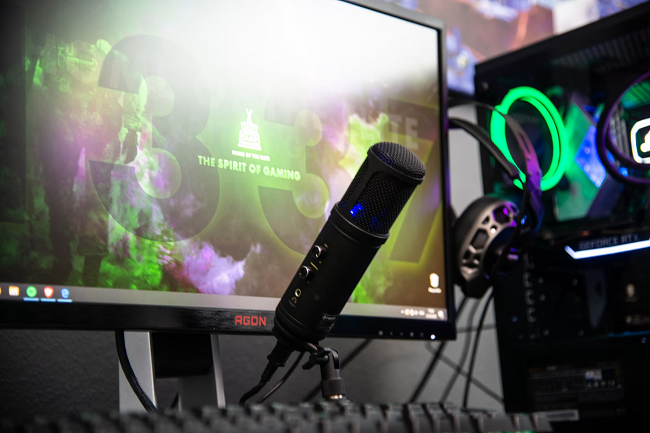
A decade ago, sitting down to watch another person play a video game sounded like a strange way to spend an evening. Now it is one of the biggest categories of media consumption on the planet, with millions of people tuning in daily not to play, but to watch someone else make the decisions, take the risks, and react in real time. The shift did not happen by accident. Platforms built tools for chat, tipping, and instant replay that turned a single player’s session into a shared event, and casino-adjacent sites followed the same logic – a growing number of visitors now discover a table game the way they discover a new artist, by watching a stream first, and outlets such as spinfin kasyno built entire sections around that habit, letting newcomers see a round play out before they commit a single coin.
Why Spectating Became a Habit
Live commentary changes the emotional weight of a game. A viewer who has never touched a controller can still feel the tension of a close match, because the streamer’s voice, hesitation, and timing carry the story. That narration is the actual product being sold – not the gameplay itself, but the interpretation of it.
Second-screen behavior plays a role too. People watch streams while doing chores, commuting, or working from home, treating the broadcast the way earlier generations treated talk radio – present, informative, but not demanding full attention until something interesting happens on screen.
The Numbers Behind the Audience
Twitch alone logged over 1.1 billion hours watched in a single recent month, and gaming-adjacent categories – including “Just Chatting” and slot or table-game streams – regularly sit inside the platform’s top ten by concurrent viewers. Esports tournament finals now pull crowds comparable to mid-tier televised sports events, with some championship streams crossing five million peak viewers.
What Keeps Viewers Watching
Unpredictability keeps people in the room. A scripted show reveals its ending on a schedule; a live stream can turn in the span of one spin, one clutch play, or one bad decision. That uncertainty is the same mechanism that makes live sports compelling, applied to a screen that never leaves the house.
| Platform Type | Typical Session Length | Core Draw |
| Esports broadcast | 45-90 minutes | Competitive stakes |
| Casual gaming stream | 2-4 hours | Personality, banter |
| Live casino/slot stream | 30-60 minutes | Real-money tension |
| Speedrun event | 10-30 minutes | Precision, records |
Casino Streams Fit the Pattern
Slot and live-dealer streams borrow the same emotional beats as competitive gaming – a visible bet, an uncertain outcome, and a host who reacts honestly instead of reading from a script. Viewers who would never open a wallet on their own often watch for weeks before deciding the format suits them, which is exactly the slow-conversion pattern that made spectating profitable for the platforms hosting it.
The Streamer’s Side of the Screen
Running a stream is closer to hosting a radio show than playing a game for fun. Successful streamers plan segments, manage a chat that moves faster than they can read, and keep a consistent tone even during a losing stretch, because viewers judge the person as much as the outcome. Burnout is common – some of the most-watched creators have openly discussed stepping back after years of daily broadcasts.
Monetization rarely comes from a single source. Subscriptions, tipped donations, sponsorship reads, and affiliate arrangements with the game or platform being shown all stack together, which is why a mid-sized channel with a loyal audience can outearn a much larger one with passive viewers.
What This Means for the Next Wave of Games
Developers increasingly design with spectators in mind, not just players. Camera angles, replay systems, and pacing are tuned so a broadcast reads clearly even to someone who has never picked up the controls, because a title that plays well on stream reaches ten times the audience of one that only plays well in private.
That shift also changes how newer formats get discovered. A game or a casino product introduced through a familiar host’s stream carries built-in trust that a banner ad never could, and audiences increasingly expect to watch before they choose – turning spectating from a side habit into the main entry point for how new entertainment gets found.
