

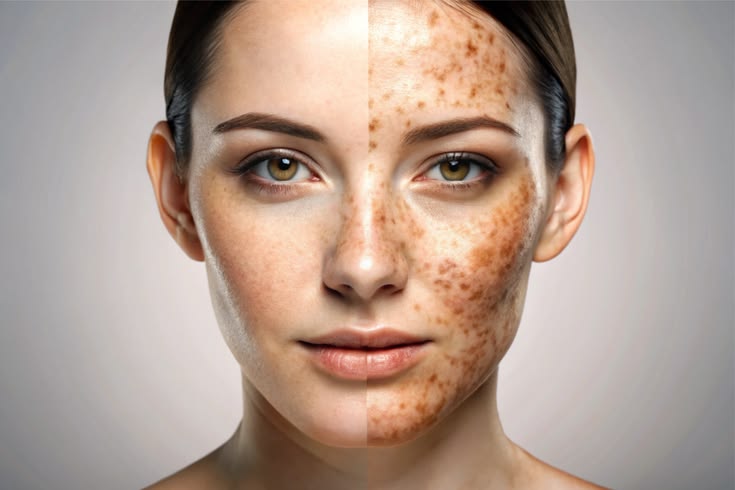
Pigmentation concerns such as melasma, sun spots, age spots and post-inflammatory hyperpigmentation can affect people of all skin types. While pigmentation treatment can help improve the appearance of uneven skin tone and dark patches, achieving good results depends on more than the treatment itself. Proper preparation before the procedure and consistent aftercare afterwards play an important role in supporting skin recovery and reducing the risk of irritation or recurring pigmentation.
Understanding the common mistakes to avoid can also help you get the most from your treatment journey, whether you are looking to treat pigmentation for cosmetic reasons or as part of a long-term skincare plan. In this article, we discuss the mistakes to avoid before and after pigmentation treatment, along with practical tips to help you care for your skin and support better outcomes.
Starting Pigmentation Treatment Without Understanding the Cause
One of the most common mistakes people make is assuming that all forms of pigmentation are the same. In reality, different conditions require different approaches, and choosing the wrong treatment may lead to disappointing results. Before starting pigmentation treatment, it is important to identify the underlying cause of the discolouration. Some of the most common types of pigmentation include:
- Melasma, which often appears as symmetrical brown patches on the cheeks, forehead or upper lip and may be triggered by hormones, genetics or sun exposure.
- Sun spots (solar lentigines), which develop after years of cumulative ultraviolet (UV) exposure and are commonly found on the face, hands and other sun-exposed areas.
- Post-inflammatory hyperpigmentation (PIH), which occurs after skin inflammation or injury, such as acne, eczema or minor burns, leaving behind darker patches as the skin heals.
Identifying the cause of the pigmentation from the outset helps ensure that the chosen treatment is appropriate and supports more predictable, long-term results.
Skipping Sun Protection Before and After Pigmentation Treatment
Sun protection is one of the most important parts of any pigmentation treatment plan, yet it is often overlooked. Exposure to ultraviolet (UV) rays can stimulate melanin production, causing existing pigmentation to darken and increasing the risk of new spots developing. It can also make certain conditions, such as melasma, more likely to recur even after successful treatment.
Before and after pigmentation treatment, it is advisable to apply a broad-spectrum sunscreen with at least SPF 30 every day, even when it is cloudy or when spending most of the day indoors near windows. Wearing a wide-brimmed hat, seeking shade and reapplying sunscreen during prolonged outdoor activities can provide additional protection.
Using Too Many Active Skincare Products
Many people believe that using multiple skincare products alongside pigmentation treatment will speed up results. However, combining several active ingredients without proper guidance can do more harm than good. Products containing retinoids, alpha hydroxy acids (AHAs), beta hydroxy acids (BHAs), benzoyl peroxide or exfoliating scrubs may increase skin sensitivity, particularly before or after in-clinic treatments.
Overloading the skin with active ingredients can weaken the skin barrier, leading to redness, dryness and irritation. In some cases, this irritation may trigger post-inflammatory hyperpigmentation, making existing dark spots more noticeable or slowing the healing process. Instead, follow the skincare routine recommended by your dermatologist. A simplified regimen that focuses on gentle cleansing, moisturising and sun protection can help your skin recover while reducing the risk of unnecessary irritation during your pigmentation treatment journey.
Expecting Immediate Results From Pigmentation Treatment
It is important to have realistic expectations when undergoing pigmentation treatment. While some people notice visible improvement after their first session, many forms of pigmentation develop over months or even years and usually require multiple treatments to achieve the desired results. The number of sessions needed depends on factors such as the type and depth of pigmentation, your skin type and the treatment method used.
In addition to in-clinic procedures, following your prescribed skincare routine and protecting your skin from the sun contribute to the overall outcome. Being patient and adhering to your treatment plan can help you achieve gradual, natural-looking improvements while reducing the likelihood of pigmentation returning.
Ignoring Aftercare Instructions
The care you give your skin after pigmentation treatment can have a significant impact on your recovery and results. Although aftercare recommendations may vary depending on the type of treatment performed, following your dermatologist’s instructions helps minimise irritation and supports the skin’s natural healing process.
Common advice may include keeping the treated area well moisturised, avoiding excessive heat, strenuous exercise or swimming for a short period if recommended, and refraining from picking at any peeling skin or scabs. It is also important to use only the prescribed or recommended skincare products while your skin is healing, as introducing new products too soon may cause unnecessary irritation.
Conclusion
Successful pigmentation treatment involves more than selecting the right procedure. Understanding the cause of your pigmentation, protecting your skin from the sun, following the recommended skincare routine and adhering to aftercare instructions can all contribute to better, longer-lasting results.
If you are considering treatment for pigmentation, an individualised assessment can help determine the most suitable approach for your skin concerns. Take the first step towards clearer, more even-looking skin by arranging a consultation with our clinic at:
The Dermatology Clinic – Dr Uma | Skin Allergy | Paediatric Dermatology | Eczema Treatment Singapore
321 Joo Chiat Pl, #05-01A Parkway East Specialist Hospital, Singapore 427990
Phone: +65 6517 9760
290 Orchard Road 09-20/21 Paragon Medical Centre, Singapore 238859
Phone: +65 6320 0310
https://thedermclinic.com.sg/
