

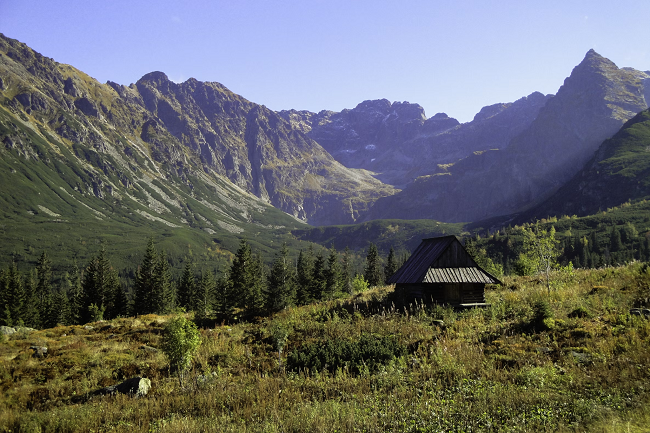
Poland’s short-break map used to stop at Kraków’s market square. Now it runs from timber cabins under Giewont to boardwalks that smell of Baltic salt, with travelers stitching together a 48-hour loop that covers mountain air, sea wind and a proper evening out in between. The pattern is deliberate: land in Kraków or Gdańsk on Friday night, spend Saturday outdoors, hand the evening to a table or a screen, then fly home Sunday with sore legs and a lighter wallet.
That evening habit has a name among repeat visitors, who trade notes on where to unwind after a day of skiing or beach walking. A recurring tip on regional travel forums points to sankra casino, mentioned less for its size than for how fast a walk-in guest finds a low-stakes table without a queue on a Saturday night. It fits the same itinerary logic as the cabins and the boardwalks – a stop along the way, never the whole trip, and rarely the reason anyone booked the flight in the first place.
Zakopane’s Cabin Culture Meets Modern Comfort
A weekend cabin near Zakopane’s Krupówki strip now rents for roughly 900 to 1,600 złoty a night in winter, down to half that in the shoulder months of May and October. Owners who once offered bare timber rooms have added underfloor heating, sauna pods and glass-walled living rooms that face the Tatras directly, chasing the same guest who used to book a generic mountain hotel and now wants something that photographs well.
Highland Architecture and Local Design
The Zakopane style, codified by architect Stanisław Witkiewicz in the 1890s, still shapes new builds: steep shingled roofs, carved balustrades, and porches framed in unpainted spruce. A handful of carpenters in the Podhale region still cut joints by hand rather than gluing prefab panels, and cabins built this way carry a price premium of roughly 15 percent over standard timber-frame construction, according to two regional rental agencies quoted in local press this year.
| Weekend Base | Typical Nightly Rate | Peak Season | Signature Draw |
| Zakopane cabin | 900-1,600 PLN | December–February | Ski access, mountain views |
| Sopot boardwalk flat | 700-1,300 PLN | June-August | Pier, beach clubs |
| Gdańsk Old Town room | 500-950 PLN | May-September | Amber Road history |
| Kraków city studio | 400-800 PLN | April-October | Nightlife, day trips |
Booking Trends and Seasonal Pricing
Booking windows have compressed sharply. Where cabin owners once saw reservations land two to three months out, roughly 40 percent of winter 2025 bookings were made inside a ten-day window, per figures shared by a Podhale property manager association. That shift rewards travelers who watch prices rather than commit early, since last-minute cancellations often surface at a discount.
Sopot’s coastal rentals move the opposite way: July and August fill by April, and owners who once negotiated on price now hold firm because demand outstrips the town’s roughly 4,000 short-term listings. A guest chasing both a mountain weekend and a coastal one inside the same season needs to book the cabin late and the boardwalk flat early.
- Compare at least three listings before booking – near-identical timber cabins can swing by 300 złoty a night depending on the roof’s age.
- Ask whether sauna or hot-tub access is private or shared, since shared amenities draw the most post-booking complaints in the region.
- Check the walking distance to Krupówki in minutes, not kilometers – listing maps in the area routinely round down.
- Confirm parking is included; a private spot near Krupówki can add 80 złoty a night in December.
Baltic Boardwalks and the Coastal Counterpart
Sopot’s wooden pier stretches 511 meters into the Bay of Gdańsk, still the longest of its kind in Europe, and the boardwalk running alongside it has absorbed most of the town’s new bars, ice cream stalls and open-air seating since a 2019 renovation widened the promenade. Locals treat it as an evening circuit: dinner near the pier entrance, a walk to the far end and back, then a drink somewhere with a sea view.
- A pier-end ticket costs a few złoty and buys unrestricted access until closing, cheaper than most single museum entries in the region.
- Bike rental stands along the boardwalk charge by the hour and undercut Zakopane’s mountain e-bike rentals by roughly a third.
- Late buses connecting Sopot to Gdańsk run until around 1 a.m. in summer, which keeps the coastal evening loop viable without a car.
- Weekday visits in June save roughly 20 percent on boardwalk-adjacent rooms compared with the same dates on a weekend.
Neither coast nor mountains dominate the itinerary anymore; the appeal is in stitching both into 48 hours without wasting a travel day. A traveler who lands in Kraków on Friday can be on a Zakopane trail by Saturday morning and back at the airport, sunburned or windswept, by Sunday evening – the reinvented Polish weekend runs on tight connections, not long stays.
