

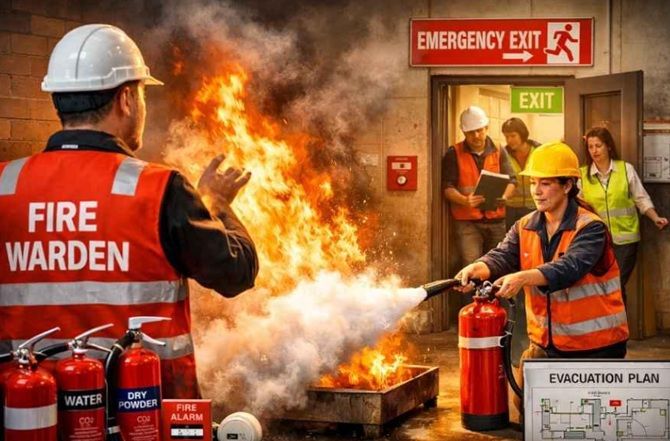
A temporary fire patrol should not work alone or only to respond to a fire alarm failure, a broken sprinkler, building work, or a hot-work job. It should be part of the building’s overall safety and emergency plans. This way, it can help keep people safe, like those who live there, visitors, staff, or the things in the building. The important thing is to explain how the team doing patrol will be a part of the plan for talking to others and helping people leave safely.
Connect Patrol Duties With the Existing Emergency Plan
A fire watch security team must get a clear set of instructions before they start walking around the building. This should cover the building layout, which fire-safety systems are not working, where the emergency exits are, any areas that have higher risks, who to talk to during an emergency, and how to leave the place safely if needed.
Instead of making a whole new way to respond, management can set clear links between the fire patrol and the people who already work there.
Important information to communicate includes:
- Location of fire alarm panels and equipment that is not working
- Main and next routes to leave
- Marked places where people gather
- Places that need more checking
- Emergency contact details
- Steps to report smoke, fire, or risky conditions
Fire-watch staff usually walk around the places that need to be checked. They look for dangers and write down what they see. If there is trouble, they start the emergency call.
Define Who Does What During an Emergency
Confusion in an emergency can slow down how people react. A property plan should show the steps for watching what happens, telling others, helping people leave, and handling what is going on.
| Role | Primary Responsibility | Coordination Point |
|---|---|---|
| Fire patrol | Detect hazards and report emergencies | Property management |
| Security team | Control access and support site procedures | Incident lead |
| Building management | Coordinate occupants and contractors | Emergency services |
| Engineering team | Address system impairment | Fire-protection contractor |
| Occupants | Follow evacuation instructions | Designated assembly area |
This setup helps everyone know what their job is. People do not just think that someone else will take care of the problem. Now, each person is clear about what to do when something comes up.
Build Patrol Routes Around Property Risk
Not every part of a building has the same risk. When you plan patrols, think about places where fire might happen. You should also look at areas where getting people out could be hard.
Depending on the property, the main areas you need to look at may be:
- Mechanical and electrical rooms
- Storage and loading areas
- Construction zones
- Stairwells and exit halls
- Areas touched by hot work
- Places around broken fire gear
A set route for each building can help patrols stay on track. Fire-watch services may use set times and paths in each building to make sure they check things the same way every time. The things they see get noted throughout the time they watch.
Keep Communication Continuous
The patrol should stay in touch with the people who handle the bigger emergency steps for the property. If the problem comes up, the way to deal with it should happen right away and be easy to understand.
Regular communication can cover:
- Patrol is finished and what we saw
- New dangers found
- Changes in who is in the building or work being done
- Emergency events
- How close the system is to being fixed
Written or digital logs let people keep track of patrol activity, what is seen, and events.
Make Temporary Coverage Part of the Bigger Safety Strategy
A fire patrol is best when it adds to the building’s regular emergency steps. It should not take their place. You can connect patrol routes, ways to report issues, talk to people, handle safety jobs, and help set plans to leave if needed. This helps property managers build a better way to deal with times when the fire risk goes up for a short while.
Using fire watch security in the property’s emergency plan helps keep roles clear. There will always be someone looking out for trouble while the normal fire checks are not in place or if the risk is only for a short time.
