

Many heart conditions can develop silently, with few or no noticeable symptoms until they become more serious. As a result, early diagnosis is essential for identifying potential heart problems before they progress and for helping patients receive timely treatment. Thanks to advances in medical technology, cardiologists can now detect a wide range of heart conditions earlier and with greater accuracy using modern, evidence-based diagnostic tools.
At a heart clinic, the choice of tests is tailored to each patient’s symptoms, medical history, and cardiovascular risk factors rather than following a one-size-fits-all approach. Not every patient requires every available investigation. Instead, your cardiologist will recommend only the tests that are most appropriate for your individual needs. Learn more about one of the most commonly used diagnostic imaging tests, echocardiogram here https://cadenceheart.sg/service/echocardiogram/.
When Should You Visit a Heart Clinic for Testing?
Knowing when to seek a heart evaluation can make a significant difference in detecting heart conditions early. While sudden chest pain often prompts immediate medical attention, many heart problems begin with more subtle symptoms that are easy to overlook. If you experience persistent chest discomfort, shortness of breath, heart palpitations, dizziness, fainting, or unusual fatigue during physical activity, it is advisable to consult a cardiologist for further assessment.
Even if you feel well, certain risk factors may increase your likelihood of developing heart disease. These include high blood pressure, high cholesterol, diabetes, smoking, obesity, a sedentary lifestyle, or a family history of cardiovascular disease. Regular screening at a heart clinic may also be recommended for individuals with these risk factors, as some heart conditions can develop without causing noticeable symptoms in their early stages. By identifying potential issues early, appropriate investigations and treatment can be initiated before more serious complications occur.
Initial Assessment and Basic Heart Tests
Your first visit to a heart clinic typically begins with a comprehensive consultation rather than immediate testing. Your cardiologist will ask about your symptoms, personal and family medical history, current medications, lifestyle habits, and any existing health conditions that may affect your cardiovascular health. This discussion is followed by a physical examination, during which your blood pressure, heart rate, and other vital signs are assessed.
Based on this initial evaluation, your cardiologist may recommend several basic diagnostic tests to better understand your heart health. A blood test can help identify risk factors such as high cholesterol, diabetes, or markers that suggest heart muscle damage. An electrocardiogram (ECG) records the electrical activity of your heart and can detect abnormalities such as irregular heart rhythms or signs of a previous heart attack. These initial assessments provide valuable information and help determine whether further investigations, such as advanced imaging or functional testing, are necessary to arrive at an accurate diagnosis.
Advanced Imaging and Functional Heart Tests
If further evaluation is needed, your cardiologist may recommend more specialised tests to examine your heart’s structure, function, or blood flow in greater detail. The type of investigation depends on your symptoms, medical history, and the findings from your initial assessment.
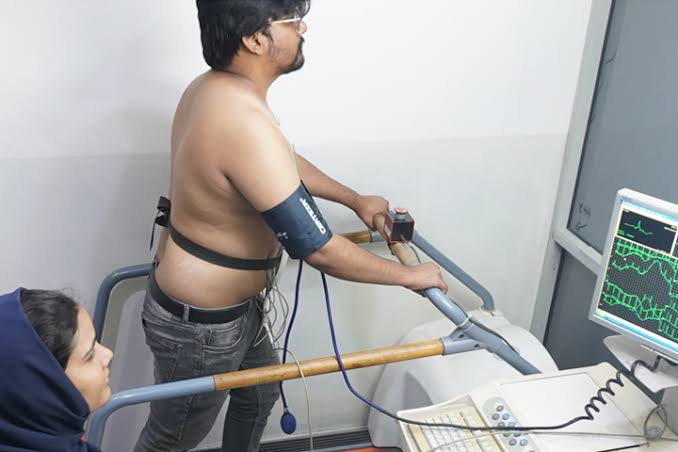
One of the most commonly performed tests is an echocardiogram, which uses ultrasound waves to produce real-time images of the heart. It allows your cardiologist to evaluate the heart’s chambers, valves, pumping function, and blood flow without exposing you to radiation. An exercise stress test may be recommended if your symptoms occur during physical activity, helping assess how your heart performs under increased workload. For patients experiencing intermittent palpitations or unexplained dizziness, a Holter monitor can continuously record the heart’s electrical activity over 24 hours or longer to detect irregular heart rhythms that may not appear during a standard ECG.
In some cases, more advanced imaging techniques are required. A cardiac CT scan can provide detailed images of the coronary arteries and help identify calcium deposits or narrowed blood vessels that may increase the risk of heart disease. A cardiac MRI offers highly detailed images of the heart muscle and surrounding structures, making it useful for evaluating certain cardiomyopathies, congenital heart conditions, or areas of heart muscle damage.
How Cardiologists Choose the Right Test
Not every patient requires the same diagnostic investigations. Instead, cardiologists carefully select the most appropriate tests based on each individual’s symptoms, medical history, age, existing medical conditions, and overall risk of cardiovascular disease. For example, a patient with chest pain may require different investigations from someone experiencing heart palpitations or unexplained fainting.
Previous test results and current medications may also influence which investigations are recommended. By choosing the right test at the right time, cardiologists can make a more accurate diagnosis, identify the underlying cause of symptoms, and develop a treatment plan that best supports each patient’s long-term heart health.
What to Expect During Heart Testing
Many patients feel anxious before undergoing heart tests, but most modern cardiac investigations are safe, straightforward, and minimally invasive. Depending on the type of test, your cardiologist may provide specific preparation instructions, such as:
- Avoid eating or drinking for several hours before the test.
- Limit caffeine intake if required.
- Continue or temporarily stop certain medications as advised.
The duration of each test also varies. An ECG or echocardiogram is usually completed within 15 to 45 minutes, while a Holter monitor records your heart rhythm over 24 hours or longer. After your test, your cardiologist will explain the results, discuss what they mean for your heart health, and recommend any further investigations or treatment if needed.
Early Diagnosis Leads to Better Heart Health
Modern diagnostic tests play an important role in detecting heart conditions early and guiding appropriate treatment. Whether you are experiencing symptoms or simply want to understand your cardiovascular health better, seeking timely medical evaluation can help you make informed decisions and reduce your risk of future complications. If you’d like to learn more or discuss your concerns, our team is here to help. Book a call or arrange a consultation with our clinic at:
Cadence Heart Centre (Dr Devinder Singh) | Heart Screening, Heart Check Up | Heart Arrhythmia
Mt Elizabeth Hospital, 3 Mount Elizabeth #14-13
Mt Elizabeth Medical Centre, Singapore 228510
Phone: (65) 8318 9884
Farrer Park Hospital, 1 Farrer Park Station
Road #15-06/07 Connexion, Singapore 217562
Phone: (65) 8082 1366
