

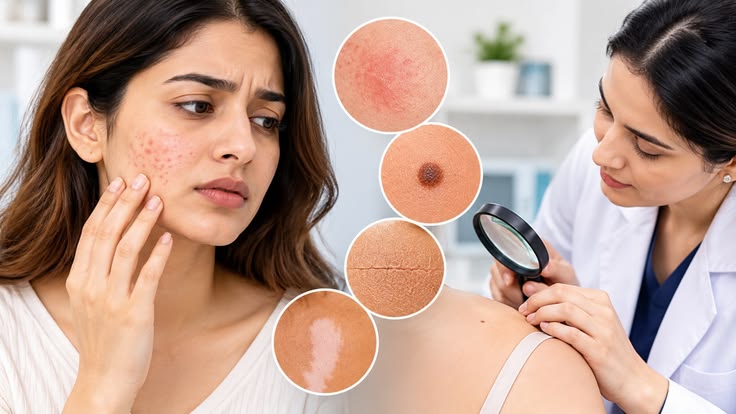
Adult acne can be frustrating, particularly when breakouts appear during demanding periods at work, after several nights of poor sleep or amid major life changes. Stress may aggravate existing acne by influencing the skin’s oil production and inflammatory responses, but it is not necessarily the sole cause. Hormonal fluctuations, excess sebum, clogged pores and inflammation can also contribute to persistent breakouts in adulthood.
Understanding these factors can help individuals make informed decisions about managing their skin. For those experiencing recurring pimples, painful lesions or lingering dark marks, exploring adult acne treatment Singapore options may be worthwhile. A dermatologist can assess potential triggers and recommend suitable approaches to adult acne treatment in Singapore, based on the type and severity of acne and the individual’s skin needs.
How Stress May Contribute to Acne
Stress can affect the skin in several ways. When the body experiences stress, it releases hormones such as cortisol, which may influence oil production and inflammatory responses. Excess sebum can contribute to clogged pores, creating conditions in which acne develops.
Stress may also disrupt sleep patterns and daily routines, making it harder to maintain consistent skincare habits. Some people may touch their faces more frequently or pick at blemishes when feeling anxious, potentially increasing irritation and the risk of scarring.
However, stress does not directly cause every breakout, and its effects vary between individuals. Genetics, hormonal fluctuations and existing skin conditions can also contribute to adult acne. Recognising whether breakouts tend to coincide with stressful periods may help individuals identify potential triggers and determine whether changes to their skincare routine or medical treatment could be beneficial.
Recognising Stress-Related Breakouts in Adults
Adult acne can appear as blackheads, whiteheads, inflamed pimples or deeper, painful lesions. Some people notice that their skin becomes more prone to breakouts during demanding periods at work or when they are not getting enough sleep. However, the timing of a flare-up alone does not confirm that stress is the underlying cause.
Recurring pimples around the chin and jawline may also be associated with hormonal fluctuations, while other breakouts can be influenced by skincare products, medications or genetic factors. Paying attention to when acne develops, where it appears and whether it leaves dark marks or scars can help identify patterns worth discussing with a dermatologist. Persistent, painful or scarring acne should be assessed early to determine the most appropriate treatment and reduce the risk of lasting skin changes.
Skincare Habits That May Help Reduce Breakouts
A consistent, gentle skincare routine can help manage adult acne and minimise irritation. Cleanse the face with a mild cleanser twice daily and after sweating, avoiding harsh scrubs or excessive washing that may disrupt the skin barrier. Choose a non-comedogenic moisturiser and sunscreen to keep the skin hydrated and protected without unnecessarily contributing to clogged pores. Depending on the type of acne, ingredients such as benzoyl peroxide or topical retinoids may help reduce breakouts.
However, these products should be introduced carefully, as excessive use or combining several active ingredients may cause dryness and irritation. Persistent acne may require a more tailored approach than over-the-counter skincare alone. Some acne medications are also unsuitable during pregnancy or when trying to conceive, so consult a healthcare professional for advice on appropriate options for your circumstances.
Managing Stress Alongside Acne Care
Managing stress may help reduce some of the factors that contribute to acne flare-ups. Maintaining a consistent sleep schedule, engaging in regular physical activity and setting realistic boundaries between work and rest can support overall well-being. Relaxation techniques, such as deep breathing, meditation or activities that help you unwind, may also make stressful periods easier to manage. Keeping track of breakouts alongside changes in sleep, stress levels and skincare habits can help you identify possible patterns.
Lifestyle adjustments alone may not be sufficient to control persistent or moderate-to-severe acne, so stress management should complement appropriate skincare and medical treatment. If breakouts continue despite these measures, a dermatologist can assess potential contributing factors and recommend a treatment plan suited to your skin condition and individual needs.
When to Consider Adult Acne Treatment Singapore
Consider consulting a dermatologist if breakouts persist or begin to affect your daily life. Medical assessment is particularly important if you experience:
- Painful, deep pimples or nodules
- Acne scars or persistent dark marks
- Breakouts that do not improve with consistent skincare
- Recurring acne despite previous treatment
A dermatologist may assess your skin, medical history and possible triggers before recommending suitable options, such as topical medication, oral medication or maintenance care. Exploring adult acne treatment Singapore options can help you understand the available treatments and develop a plan suited to your skin condition.
Managing Stress-Related Acne With the Right Approach
Stress may contribute to adult acne, but effective management often involves addressing several factors, including hormones, skincare habits and inflammation. Maintaining a gentle skincare routine, getting sufficient sleep and managing daily stress can support skin health.
For persistent or painful breakouts, a dermatologist can assess the underlying factors and recommend suitable treatment options. Seeking adult acne treatment Singapore services may help you take a more targeted approach to managing recurring acne and reducing the risk of scarring.
Conclusion
Stress may aggravate adult acne, but breakouts can also be influenced by hormones, excess oil production and other skin factors. A consistent skincare routine and practical stress-management habits may help, while persistent or painful acne may require medical treatment. Understanding the possible causes can help you make informed decisions about managing your skin. Concerned about persistent adult acne or lingering marks after breakouts? Contact our skin doctor at:
The Dermatology Clinic – Dr Uma | Skin Allergy | Paediatric Dermatology | Eczema Treatment Singapore
321 Joo Chiat Pl, #05-01A Parkway East Specialist Hospital, Singapore 427990
Phone: +65 6517 9760
290 Orchard Road 09-20/21 Paragon Medical Centre, Singapore 238859
Phone: +65 6320 0310
https://thedermclinic.com.sg/
