

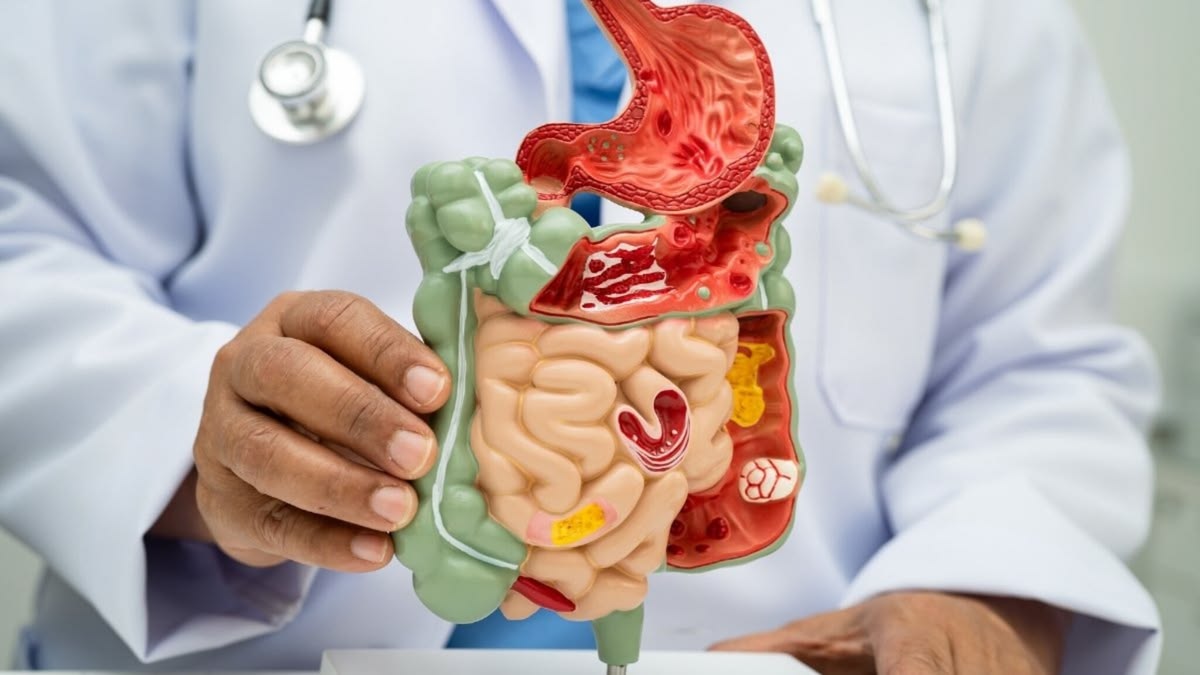
Colorectal cancer can develop without obvious symptoms in its early stages, which means some people may not realise there is a problem until the disease has progressed. Colorectal screening Singapore services can help detect colorectal cancer or precancerous polyps before symptoms appear, allowing appropriate follow-up to be considered earlier.
Despite the potential benefits of screening, many people have concerns about what the process involves, including bowel preparation, possible discomfort and what an abnormal result could mean. Cost may also be a consideration, and understanding the potential colorectal screening cost Singapore can help patients make informed decisions about screening.
Who Should Consider Colorectal Screening?
Not everyone has the same risk of developing colorectal cancer, so the appropriate time to begin screening can vary. Age is one important consideration, but personal medical history, family history of colorectal cancer or polyps and certain bowel conditions may also affect screening recommendations.
Importantly, colorectal cancer can occur in people who do not have noticeable symptoms, which is why screening may be recommended even when a person feels well. Those with a close relative who has had colorectal cancer may need to discuss screening at an earlier age or at different intervals. A consultation with a doctor can help determine which screening approach is appropriate based on an individual’s risk factors and medical history.
Is Colorectal Screening Uncomfortable Or Painful?
One of the most common concerns about colorectal screening is whether the procedure will be uncomfortable or painful. This concern is particularly relevant for people considering a colonoscopy, which involves examining the lining of the large intestine using a flexible camera. The experience can vary from person to person, and measures such as sedation may be used to improve comfort during the procedure.
Patients may also experience temporary bloating or abdominal discomfort afterwards. Discussing concerns about pain, sedation and what to expect during the procedure with the doctor beforehand can help patients feel more prepared and understand the available options.
What Does Bowel Preparation Involve?
Bowel preparation is an important part of getting ready for a colonoscopy because the large intestine needs to be sufficiently clear for the doctor to examine its lining properly. Patients are usually given specific instructions about what to eat and drink before the procedure and when to take the prescribed bowel-cleansing medication.
This can result in frequent bowel movements for several hours, which some people may find inconvenient. Following the preparation instructions carefully is important because inadequate bowel cleansing may make it more difficult to identify polyps or other abnormalities. Patients should also clarify any questions about their usual medications, diet or preparation schedule before the screening appointment.
Colonoscopy Vs Other Screening Tests
Colonoscopy is one of several methods available for colorectal cancer screening, and each option has different features. The appropriate test may depend on a person’s age, risk factors, medical history and whether symptoms are present.
- Colonoscopy: Allows the doctor to examine the lining of the colon and rectum directly. Polyps or other abnormalities may also be removed during the procedure for further assessment.
- Stool-based tests: These tests examine a stool sample for signs that may indicate colorectal cancer, such as hidden blood. They are less invasive and can generally be performed without a procedure.
- Follow-up after an abnormal result: An abnormal stool-based screening result may require a colonoscopy to investigate the cause and check for polyps or other abnormalities.
- Screening frequency: Different screening methods may be recommended at different intervals, depending on the individual’s risk and the test being used.
There is no single screening approach that suits everyone. A doctor can assess factors such as family history, previous polyps, age and other risk factors before discussing which option may be appropriate.
What If Polyps Are Found During Screening?
Finding a polyp during colorectal screening does not automatically mean that cancer is present. Polyps are growths that develop on the inner lining of the colon or rectum. While many are harmless, some types can gradually develop into colorectal cancer over time.
During a colonoscopy, suitable polyps may be removed and sent to a laboratory for further examination. The follow-up plan will depend on factors such as:
- Number of polyps: Having several polyps may affect future screening recommendations.
- Size of the polyps: Larger polyps may require closer monitoring.
- Type of polyp: Laboratory analysis can determine its characteristics and whether it has features associated with a higher risk of cancer.
- Previous screening history: Earlier findings may influence when another examination is recommended.
Removing precancerous polyps during a colonoscopy can help reduce the likelihood of these growths progressing to colorectal cancer.
What Happens If The Screening Result Is Abnormal?
An abnormal colorectal screening result can understandably cause concern, but it does not necessarily mean that colorectal cancer is present. The next step depends on the type of screening test performed and what was detected. For example, an abnormal stool-based test may require a colonoscopy to examine the colon and rectum more closely.
If a colonoscopy identifies polyps or other abnormalities, these may be assessed further through tissue examination. A doctor may consider several factors when deciding on the appropriate follow-up:
- Type of abnormal finding: Different findings may require different investigations or monitoring.
- Personal medical history: Previous polyps, colorectal conditions or other health factors may influence the next steps.
- Family history: A family history of colorectal cancer or polyps may affect the assessment of risk.
- Colonoscopy findings: If further examination is needed, a colonoscopy can provide a more detailed assessment and may allow certain polyps to be removed.
Rather than assuming the worst, patients should discuss an abnormal result with their doctor and understand what further assessment may be appropriate.
Conclusion
Colorectal screening can raise questions about preparation, discomfort, screening options and what happens if an abnormality is found. Understanding the process and discussing individual risk factors with a doctor can help patients make informed decisions about screening and follow-up. Not sure when to have colorectal screening or which option may be appropriate for you? Contact us at:
Colonoscopy Doctor – Dr Aaron Poh | Colorectal Surgeon Singapore
3 Mount Elizabeth, #14-06a, Singapore 228510
Phone: +65 8875 0080
