

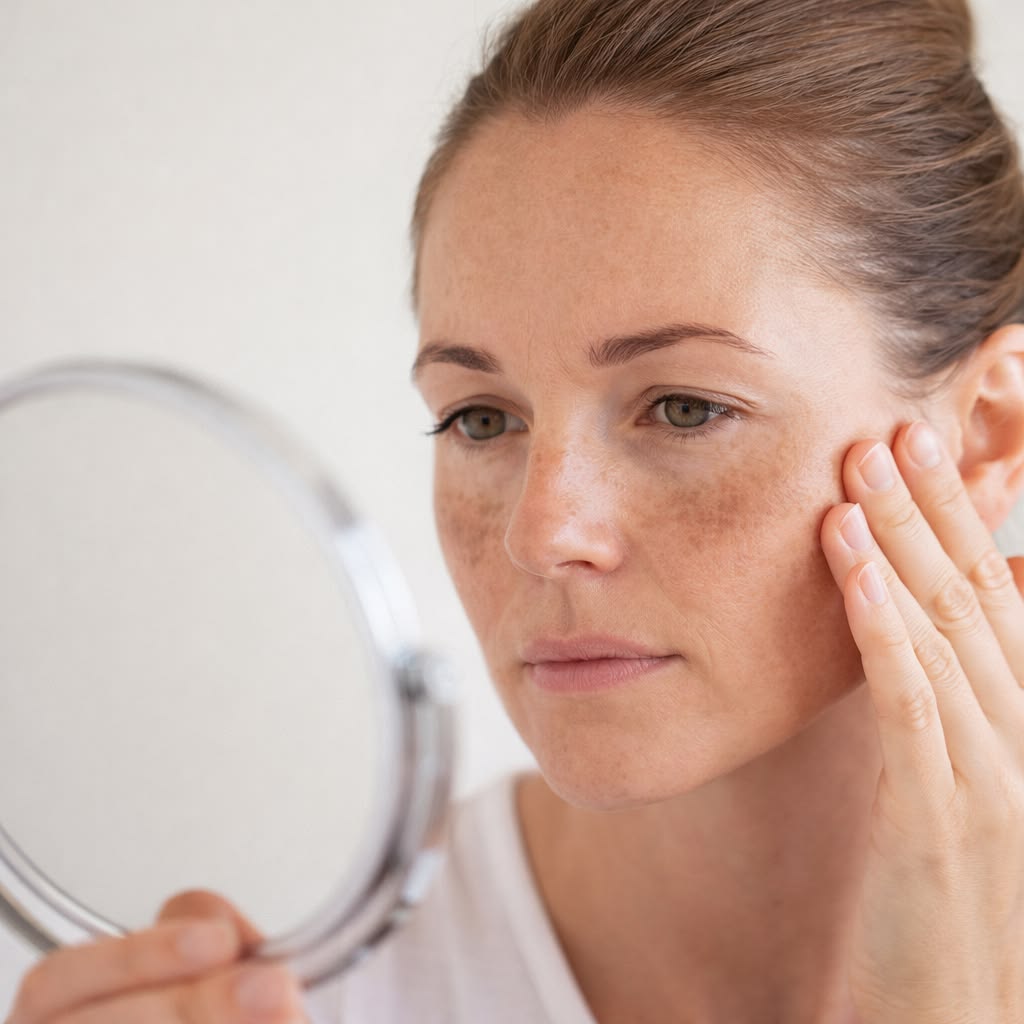
Melasma is a chronic pigmentation condition that can be challenging to manage because it is influenced by multiple factors, including sun exposure, hormones, genetics, and inflammation. As a result, achieving noticeable improvement often requires more than a single treatment modality. While melasma laser treatment can effectively target excess pigmentation and improve overall skin tone, some patients may benefit from combining laser sessions with chemical peels and medical-grade skincare to address different aspects of the condition.
The most suitable treatment approach depends on factors such as your skin type, the severity and depth of your melasma, and your skin’s sensitivity, making a personalised treatment plan essential for achieving optimal results while minimising the risk of irritation or recurrence. To learn more about melasma laser treatment and the available pigmentation laser options, read here https://edwinlimclinic.sg/aesthetic-treatments/pigmentation-laser/.
Why Melasma Often Requires Combination Treatment
Melasma is a complex pigmentation disorder that develops due to a combination of factors rather than a single cause. While excessive melanin production leads to the visible dark patches, triggers such as ultraviolet (UV) exposure, hormonal changes, genetics, heat, and inflammation can all contribute to its development and recurrence. Because these underlying factors vary from person to person, treating melasma often requires a multifaceted approach instead of relying on one treatment alone.
For this reason, many doctors recommend combining different treatment modalities that target pigmentation through complementary mechanisms. For example, melasma laser treatment may help break down excess pigment within the skin, while chemical peels can promote the removal of pigmented surface cells. Medical-grade skincare can further support pigment control, reduce inflammation, and protect the skin from future UV damage.
How Melasma Laser Treatment Fits into a Comprehensive Treatment Plan
Melasma laser treatment is designed to target excess pigment within the skin using carefully selected laser technologies. Depending on the type of laser used and the characteristics of the melasma, laser energy can help break down melanin deposits so that they can be gradually cleared by the body’s natural processes. The choice of laser and treatment settings should be tailored to each patient’s skin type, pigmentation pattern, and treatment goals.
While laser treatment can play an important role in improving melasma, it is generally most effective as part of a broader treatment strategy rather than as a standalone solution. Many patients benefit from combining laser therapy with appropriate skincare, strict sun protection, and, where suitable, other complementary treatments to help manage the condition over the long term. As melasma is prone to recurrence, maintaining skin health and reducing ongoing triggers are equally important for achieving and preserving treatment results.
Can Chemical Peels Be Combined with Melasma Laser Treatment?
Yes, chemical peels can often be combined with melasma laser treatment, but the timing and type of peel should be carefully planned to suit each patient’s skin condition. Superficial chemical peels work by gently exfoliating the outermost layers of the skin, encouraging the removal of pigmented skin cells and promoting skin renewal. When used appropriately, they may complement laser treatment by improving overall skin tone and enhancing the appearance of superficial pigmentation.
In most cases, doctors recommend alternating chemical peels and laser sessions instead of performing both treatments on the same day. This allows the skin sufficient time to recover between procedures and reduces the risk of excessive irritation. The interval between treatments depends on factors such as skin sensitivity, the depth of pigmentation, and how well the skin responds to previous sessions.
What Skincare Products Complement Melasma Laser Treatment?
The right skincare routine can enhance the results of melasma laser treatment by supporting skin recovery, reducing inflammation, and helping to minimise pigmentation recurrence. Depending on your skin condition, your doctor may recommend products containing:
- Broad-spectrum sunscreen – Essential for protecting the skin and preventing melasma from recurring.
- Vitamin C – Helps brighten the skin and provides antioxidant protection.
- Niacinamide – Helps calm inflammation and improve skin tone.
- Azelaic acid or tranexamic acid – May help reduce excess pigment production.
- Retinoids or prescription pigment creams – Can promote skin renewal and complement laser treatment when used appropriately.
Consistent sun protection and a personalised skincare regimen can help maintain the results of the treatment and support long-term management of melasma.
What Factors Determine Whether Combination Treatment Is Suitable?
Not every patient with melasma will benefit from the same treatment approach. Before recommending a combination of melasma laser treatment, chemical peels, and skincare, your doctor will assess several factors to develop a personalised treatment plan, including:
- Skin type – Darker skin tones may require more cautious treatment to reduce the risk of post-inflammatory hyperpigmentation.
- Severity and depth of melasma – The location and extent of pigmentation influence the choice of treatments.
- Previous treatments – Your response to earlier therapies can help guide future treatment decisions.
- Skin sensitivity – Sensitive skin may require gentler treatment settings and longer recovery intervals.
- Lifestyle and sun exposure – Frequent UV exposure can affect both treatment outcomes and the risk of recurrence.
A personalised treatment plan helps maximise the effectiveness of combination therapy while minimising the risk of complications and supporting long-term results.
Conclusion
Melasma is a chronic skin condition that often responds best to a personalised treatment plan. While melasma laser treatment can effectively reduce pigmentation, combining it with suitable chemical peels and medical-grade skincare may further improve results and help minimise recurrence.
A thorough assessment by your doctor can determine the safest and most appropriate combination of treatments based on your skin type and individual needs. If you would like to find out whether melasma laser treatment combined with chemical peels or skincare is suitable for you, book a consultation with:
Edwin Lim Medical Aesthetic Clinic – Pigmentation Treatment | Acne Scar Removal Singapore
Changi City Point
#02-12/13 Changi City Point, 5 Changi Business Park Central 1, 486038
Phone: +65 69042218
