

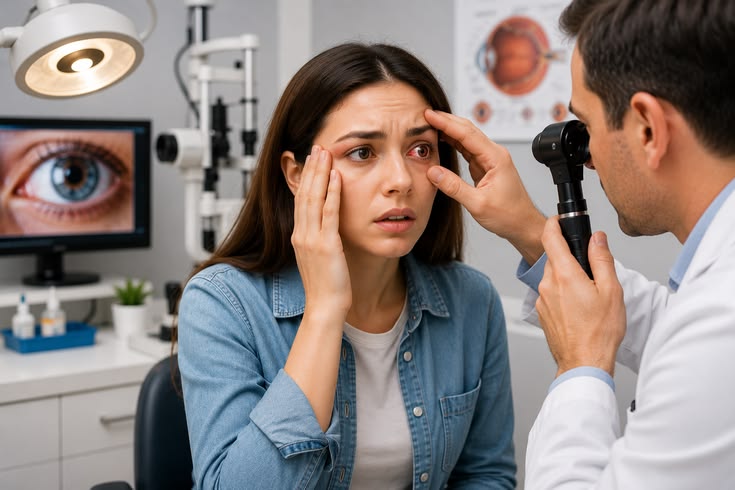
As women enter their 40s, changes in vision can become more noticeable, such as difficulty reading small print, blurred near vision or needing brighter light for close-up tasks. While some changes are a natural part of ageing, others may be linked to underlying eye conditions that develop gradually without obvious symptoms.
Regular eye screening can help assess eye health and identify potential concerns, even when your vision appears normal. Women who want to learn more about what an eye screening involves and why it may be useful can read more about eye screening here https://www.drchelvinsng.com/eye-screening/.
Common Vision Changes Women May Notice After 40
After 40, it is common to notice gradual changes in vision, particularly when reading, using digital devices or focusing on nearby objects. One of the most common age-related changes is presbyopia, which occurs when the eye becomes less able to focus on close-up objects. Common vision changes may include:
- Difficulty reading small print, particularly in dim lighting
- Needing to hold reading material further away to see it clearly
- Blurred vision at close range when reading or using a phone
- Eye strain or tired eyes after prolonged close-up work
- Headaches after reading or using digital devices
- Difficulty switching focus between nearby and distant objects
- Needing brighter light for reading or other close-up activities
While these symptoms can be associated with normal age-related changes, an eye assessment can help determine whether they are simply due to presbyopia or whether there are other factors affecting your vision.
Eye Symptoms That Should Not Be Ignored
While some changes in vision are expected with age, certain symptoms may indicate an eye problem that requires prompt assessment. Women over 40 should pay attention to changes that are sudden, persistent or significantly different from their usual vision. Symptoms that warrant medical attention may include:
- Sudden changes in vision, including sudden blurring or loss of vision
- Flashes of light, particularly if they appear unexpectedly
- A sudden increase in floaters or seeing spots across your field of vision
- Eye pain or significant discomfort
- Persistent redness or swelling around the eye
- Changes in peripheral vision, such as difficulty seeing objects to the side
- Double vision or unexplained visual disturbances
- Increasing difficulty seeing in low-light conditions
Some eye conditions can progress with few noticeable symptoms initially, while sudden changes may require timely evaluation.
What Can An Eye Screening Check For?
An eye screening is not simply about determining whether you need glasses or a change in prescription. It can also provide an opportunity to assess the overall health of your eyes and identify potential concerns that may not cause noticeable symptoms in their early stages. Depending on your age, symptoms and individual risk factors, an eye assessment may look for:
- Refractive errors, such as short-sightedness, long-sightedness or astigmatism
- Presbyopia, which commonly develops from the 40s onwards
- Cataracts, where the natural lens of the eye becomes cloudy
- Glaucoma, which can damage the optic nerve and may progress without obvious symptoms
- Retinal conditions that can affect the light-sensitive tissue at the back of the eye
- Changes associated with diabetes or other health conditions
- Other abnormalities that may require further assessment or monitoring
The specific tests included can vary depending on your age, symptoms and medical history.
Why Women May Need To Pay Attention To Eye Health During Midlife
The 40s and 50s can bring hormonal and health changes that may also affect eye comfort and vision. During perimenopause and menopause, fluctuations in hormone levels may contribute to dry, irritated or gritty-feeling eyes. Some women may also notice increased light sensitivity, eye strain or occasional blurred vision, particularly after prolonged screen use.
Existing health conditions, such as diabetes or high blood pressure, may also have implications for eye health. However, not every change should be attributed to ageing or hormonal fluctuations. Persistent, worsening or unusual symptoms should be assessed appropriately. Paying attention to changes in vision and maintaining regular eye checks can help women monitor their eye health as they move through midlife.
How Often Should Women Over 40 Have Eye Screening?
There is no single eye screening schedule that applies to every woman over 40. The appropriate frequency can depend on factors such as age, existing eye conditions, family history, general health and whether you have noticed changes in your vision. Women with conditions such as diabetes or a higher risk of glaucoma may require more frequent monitoring.
If you have symptoms such as persistent blurred vision, increasing difficulty reading or changes in peripheral vision, an assessment may be appropriate rather than waiting for a routine appointment. Even when your vision seems normal, regular eye checks can help monitor changes that may not be immediately noticeable. Discussing your individual risk factors with an appropriate eye care professional can help determine a suitable screening schedule.
Conclusion
Vision changes can become more noticeable after 40, but they should not always be assumed to be a normal part of ageing. Regular eye checks and timely assessment of unusual symptoms can help women stay informed about their eye health.
If you have concerns about changes in your vision, consider speaking with a healthcare professional about whether further assessment is appropriate. Book a call with our specialist at:
Chelvin Sng Eye Centre – Glaucoma | Cataract Surgery | Retina Specialist | Ophthalmologist Singapore
Mount Elizabeth Novena Hospital
38 IRRAWADDY ROAD MT ELIZABETH NOVENA SPECIALIST CENTRE, #06-25, 329563
Phone: 6334 2282
