

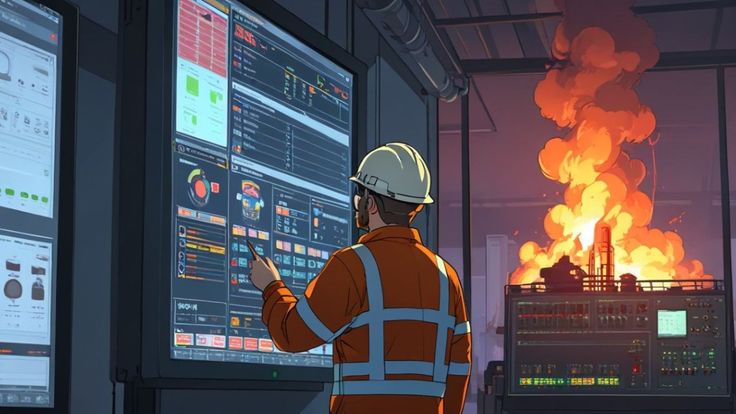
Fire protection systems do not fail on a schedule. A sprinkler repair may begin unexpectedly. An alarm panel may stop functioning overnight. Construction activity can introduce new hazards within hours. During those periods, property owners still need protection. That need places trained personnel at the center of risk management through an immediate fire watch.
When automated safeguards become unavailable, conditions change quickly. Occupants may not notice developing concerns. Facility teams often focus on repairs first. Yet someone must remain alert to emerging dangers. Fire watch guards fill that role. Their presence creates a continuous layer of observation while permanent systems remain unavailable.
Continuous Observation Reduces Hidden Risks
Small warning signs often appear before serious incidents. A burning odor may drift through a hallway. Electrical equipment might produce unusual heat. Storage practices can change during maintenance projects.
Because guards move throughout the premises, they encounter these conditions early. Each patrol provides another opportunity to identify concerns. Their attention remains focused on prevention rather than reaction.
A warehouse offers a practical example. Temporary wiring may power equipment during upgrades. Those connections require attention because faults can develop without notice. Through repeated inspections, personnel recognize problems before greater damage occurs.
Why Human Awareness Still Matters
Technology performs an important function. However, devices operate within specific limits. Human judgment adds awareness beyond programmed responses.
While walking assigned routes, guards assess surroundings continuously. They notice blocked exits. They identify misplaced combustible items. They recognize activities creating unnecessary exposure.
Context matters during safety monitoring. A machine producing extra heat may require investigation. Construction materials near ignition sources may need relocation. Those observations help prevent situations from escalating.
Responsibilities During Temporary Protection Gaps
Fire watch personnel perform several important duties throughout each shift. Their work extends beyond simple patrol activity.
Key responsibilities often include:
- Checking vulnerable locations regularly
- Recording observations within detailed logs
- Watching areas containing heat sources
- Reporting concerns through proper channels
- Assisting occupants during emergencies
Each responsibility contributes to broader protection efforts.
How Faster Detection Changes Outcomes
Time plays an important role during developing incidents. Delayed recognition allows flames additional opportunities to spread. Early discovery creates more response options.
For this reason, an immediate fire watch becomes valuable when safety equipment remains offline. Guards maintain awareness throughout occupied spaces. They observe changing conditions across multiple locations. If smoke appears, reporting begins without delay. If evacuation becomes necessary, occupants receive direction sooner.
Those early actions often influence the overall outcome. Property damage may remain limited. Business interruptions may become shorter. Most importantly, people gain additional time to move toward safety.
Vigilance Creates Stability When Systems Cannot
A disabled alarm panel removes an important warning method. Repair work may take hours or days. During that interval, active observation becomes a practical necessity rather than an added precaution.
Patrol records create accountability. Hazard reports provide useful information. Clear communication helps decision-makers respond appropriately. Together, those actions form a temporary safety framework.
The most valuable contribution often involves recognizing subtle changes. A warm electrical panel. An obstructed exit path. A neglected storage practice. Those details appear small at first. Yet they often reveal developing concerns before larger consequences emerge.
FAQs
When are fire watch guards required?
They are often needed during alarm failures, sprinkler repairs, maintenance work, renovation projects, or other situations reducing normal fire protection capabilities.
Do fire watch guards remain in one location?
Requirements vary by property. Some assignments involve continuous patrols. Others require monitoring specific areas presenting elevated risks.
What do patrol logs accomplish?
Those records document inspections, observed conditions, and reported concerns. They provide a clear record of monitoring activities.
Can fire watch personnel assist during evacuations?
Yes. They help direct occupants toward exits and communicate important instructions during emergency situations.
A Critical Presence During Uncertain Conditions
When temporary wiring, welding sparks, or disabled alarms change daily conditions, risk becomes harder to predict. Fire watch guards help close that gap through observation, reporting, and informed action. Their value does not come from walking a route alone. It comes from noticing a warm panel, a blocked doorway, or an overlooked hazard before anyone else recognizes the danger.
