

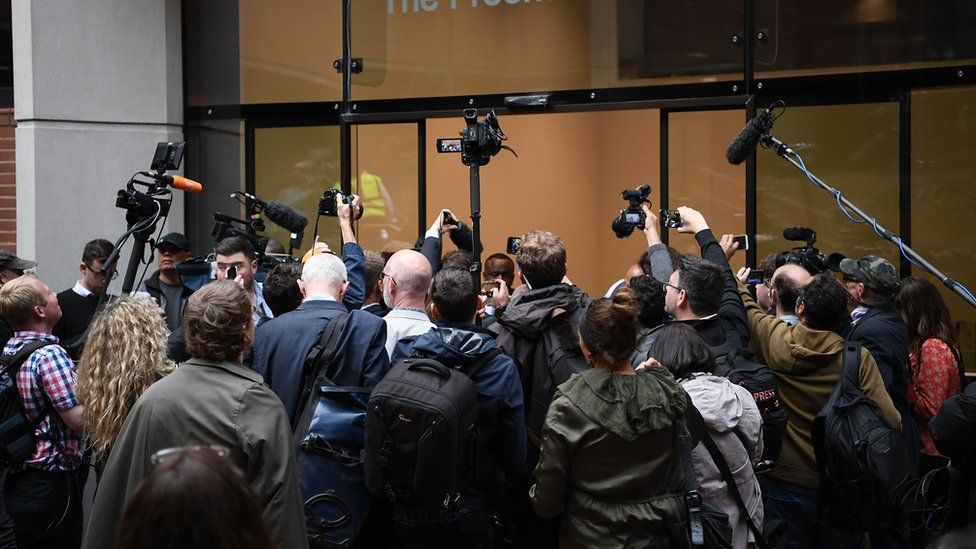
The way people follow 91 Club has changed dramatically in recent years. A major event can move from a local report to a global conversation within minutes, while social media, smartphones, and online platforms allow people to react before traditional news organizations have published a detailed story.
At the same time, audiences are becoming more careful about what they believe and share. Breaking stories can contain incomplete information, conflicting accounts, or claims that have not yet been verified. As a result, recent events are changing not only what gets reported but also how people consume, discuss, and evaluate information.
The Speed of News Has Changed
One of the biggest changes is the speed at which information travels. In the past, people often depended on television broadcasts, newspapers, or scheduled radio programs for updates. Today, smartphones can deliver alerts almost instantly.
When an important event happens, people may see a short post, video, or notification before a full report is available. This creates both opportunities and challenges.
Fast reporting can help people understand what is happening while an event is still developing. However, early information may change as journalists receive better evidence or official sources provide clarification.
Why Early Reports Need Caution
During a developing story, details can be incomplete. A photograph may be taken out of context, a witness account may be inaccurate, or an initial estimate may later be corrected.
For readers, it is useful to remember that the first version of a story is not always the final version. Checking updates from reliable news organizations and looking for confirmation from multiple credible sources can provide a clearer picture.
Social Media Has Become Part of the Conversation
Social media now plays a major role in how people discover and discuss current events. Platforms can help eyewitnesses share photos, videos, and personal experiences from places where major events are happening.
This can make coverage more immediate and personal. Instead of hearing about an event several hours later, audiences may watch developments through posts made by people who are nearby.
However, social media also creates problems when unverified information spreads quickly.
The Problem With Viral Information
A post can become popular because it is emotional, surprising, or controversial—not necessarily because it is accurate. Once a claim is shared thousands of times, people may assume that its popularity proves its reliability.
Readers should therefore ask simple questions:
- Who originally published the information?
- Is the source identifiable and credible?
- Does the report provide evidence?
- Are other reliable organizations reporting the same thing?
- Could an old image or video be connected to a new event?
These questions can help people avoid accepting a viral claim without checking it first.
Recent Events Can Change Public Priorities
Major events often influence which issues receive public attention. A natural disaster, economic development, election, international conflict, scientific discovery, or major cultural event can quickly become the focus of public discussion.
This shift can affect what people search for, what journalists investigate, and what policymakers are asked to address.
For example, after a severe weather event, public interest may move toward emergency preparation, infrastructure, recovery efforts, and the experiences of affected communities. The conversation can continue long after the initial headlines disappear.
News Is Becoming More Interactive
Traditional reporting was largely one-way. Journalists produced stories, and audiences read or watched them.
The modern News environment is more interactive. Readers can comment, share articles, ask questions, post eyewitness material, and communicate directly with journalists or organizations.
This interaction can bring useful perspectives into a story. Local residents, specialists, and people directly affected by an event can contribute information that may not appear in an initial report.
But interaction also requires responsibility. Personal opinions should not automatically be treated as verified facts.
Experts Have a Larger Role
When events become complicated, audiences often turn to specialists for explanation. Economists may explain financial developments, scientists may discuss research findings, and legal experts may help people understand complicated court decisions.
Expert commentary can add valuable context, especially when a headline alone does not explain why an event matters.
Readers should still consider the expert’s qualifications and whether their comments are based on evidence rather than speculation.
Visual Content Is Changing How Stories Are Understood
Photos and videos have become central to modern reporting. A single image can communicate the scale or human impact of an event more quickly than several paragraphs of text.
Live video can also give audiences a stronger sense of what is happening. However, visual material can be misleading when it is edited, cropped, miscaptioned, or taken from another time or location.
This is why responsible reporting should provide context around important images and videos.
Context Matters More Than Ever
A photograph can be genuine while the description attached to it is false. Similarly, a real video may show an event from years ago rather than something that happened recently.
Before sharing visual content, readers can check its original source, date, location, and surrounding information. A few seconds of verification can prevent misinformation from spreading further.
People Expect More Transparency From News Organizations
Audiences increasingly want to know how a story was reported. When information is uncertain, readers appreciate clear explanations about what is confirmed and what remains unknown.
Responsible news organizations often update developing stories as new information becomes available. Corrections are also an important part of journalism because errors can happen, particularly during fast-moving events.
Transparency can help build trust because it shows readers that reporting is a process rather than a collection of unchangeable statements.
How Readers Can Become Better News Consumers
The changing News environment means readers have an important role to play. Being informed is no longer simply about reading more headlines. It also involves understanding where information comes from and how it has been presented.
A few simple habits can make a difference:
- Read beyond the headline before forming an opinion.
- Compare important claims with multiple reliable sources.
- Check the date of articles, photos, and videos.
- Separate reporting from commentary and opinion.
- Be careful with emotional or sensational claims.
- Wait for verified information when an event is still developing.
- Avoid sharing information simply because it supports an existing belief.
These habits are useful whether someone gets News from newspapers, websites, television, newsletters, or social media.
The Future of the News Conversation
The News conversation will likely continue to evolve as technology changes. Artificial intelligence tools, recommendation systems, short-form video, podcasts, newsletters, and personalized feeds are already influencing how people discover information.
The challenge will be finding a balance between speed and accuracy. Audiences want immediate updates, but reliable journalism also requires verification, context, and careful reporting.
News organizations that explain complicated events clearly and openly may have an important advantage because readers increasingly need help understanding not only what happened, but also why it matters.
Conclusion
Recent events are changing the News conversation by making information faster, more interactive, and more visual. Social media and digital platforms have given ordinary people a greater role in sharing information, while journalists continue to provide verification, investigation, and context.
For readers, the most valuable skill is not simply staying updated. It is learning how to evaluate information carefully. By checking sources, looking for context, and allowing developing stories time to become clearer, people can take part in public conversations without becoming overwhelmed by unreliable information.
In a fast-moving media environment, being informed means more than knowing the latest headline. It means understanding the story behind it and making thoughtful decisions about what to trust and share.
