

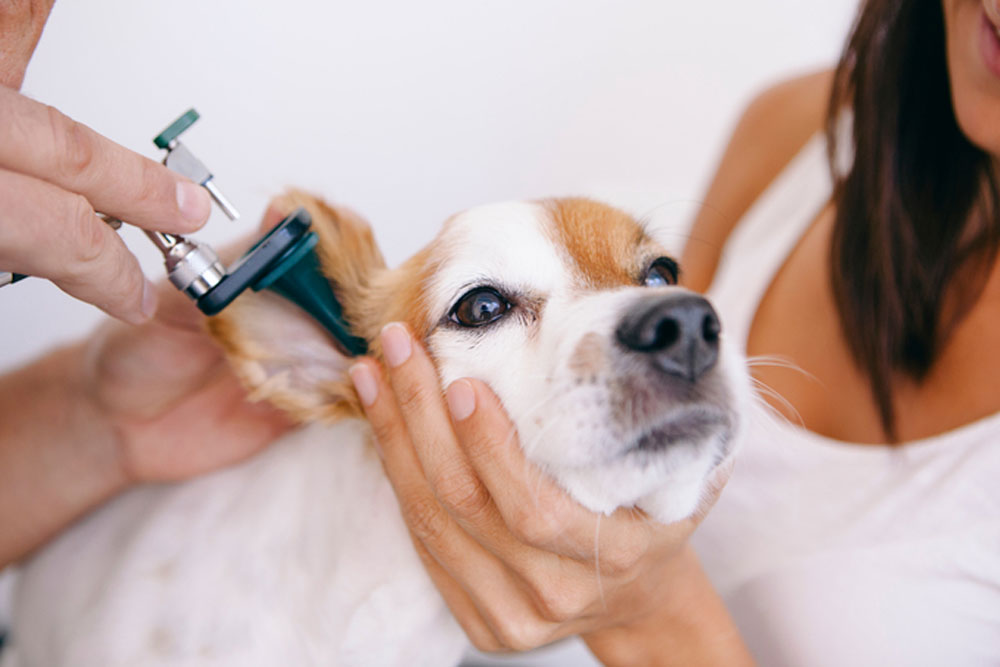
Ear problems are a common reason why dogs and cats visit a small animal clinic. While symptoms such as scratching, head shaking, excessive ear discharge, or unpleasant ear odour may seem straightforward, the underlying cause is not always obvious. Ear cytology is a simple diagnostic test that helps veterinarians identify what is happening inside the ear canal, allowing for more targeted treatment and management.
Whether you are visiting a small animal clinic for a routine check-up or seeking care at a clinic for small animal in Singapore due to persistent ear issues, understanding the role of ear cytology can help you make informed decisions about your pet’s health. In this article, we’ll discuss the signs that may indicate your pet needs an ear cytology test and why this diagnostic tool is often an important part of veterinary care.
What Is Ear Cytology?
Ear cytology is a diagnostic test commonly performed at a small animal clinic to evaluate the health of a pet’s ears. During the procedure, a veterinarian gently collects a sample of debris or discharge from the ear canal using a sterile swab. The sample is then transferred onto a microscope slide, stained, and examined under a microscope. This allows the veterinarian to identify the presence of microorganisms such as bacteria, yeast, inflammatory cells, or ear mites that may be contributing to your pet’s symptoms.
One of the advantages of ear cytology is that it provides rapid and valuable information about the condition of the ear canal. While a visual examination can reveal signs of redness, swelling, or discharge, it cannot always determine the exact cause of the problem. By examining the sample microscopically, veterinarians can gain a clearer understanding of what is happening inside the ear and make more informed treatment recommendations. Ear cytology is a quick, minimally invasive procedure that plays an important role in diagnosing and managing many common ear conditions in dogs and cats.
Sign #1: Frequent Ear Scratching or Pawing
Occasional scratching is normal for dogs and cats, but persistent scratching or pawing at the ears may indicate an underlying problem that requires veterinary attention. Pets experiencing ear discomfort often try to relieve the irritation by repeatedly scratching around the ears, rubbing their heads against furniture, or pawing at the affected area. Over time, excessive scratching can cause redness, skin damage, and even secondary infections around the ears and face.
There are many possible causes of ear irritation, including bacterial infections, yeast overgrowth, ear mites, allergies, foreign material in the ear canal, or inflammation. Because these conditions can produce similar symptoms, it is not always possible to determine the cause based on observation alone. This is where ear cytology becomes particularly useful.
Sign #2: Head Shaking or Ear Sensitivity
Frequent head shaking is another common sign that something may be irritating your pet’s ears. While an occasional shake can be a normal response to water, dust, or minor discomfort, repeated or vigorous head shaking may indicate inflammation, infection, or other ear-related issues. Some pets may also tilt their heads to one side or appear less active than usual due to ongoing discomfort.
In addition to head shaking, many pets with ear problems become sensitive when their ears are touched. They may pull away, flinch, vocalise, or resist handling during grooming or routine examinations. In some cases, owners may notice redness, swelling, or warmth around the ear area. These behavioural and physical changes often suggest that the ear canal is irritated or painful.
Because multiple conditions can cause similar symptoms, a visual examination alone may not reveal the full picture. Ear cytology allows veterinarians to examine cells and microorganisms from the ear canal to determine whether bacteria, yeast, inflammatory cells, or other abnormalities are present.
Sign #3: Unpleasant Ear Odour or Discharge
Healthy ears should not have a strong smell or excessive discharge. If you notice a persistent odour or an unusual buildup of wax, debris, or discharge in your pet’s ears, it could be a sign of an underlying ear problem. Common causes include bacterial infections, yeast overgrowth, ear mites, and inflammation.
Although the appearance of the discharge may provide some clues, it cannot reliably identify the cause. Ear cytology allows veterinarians to examine a sample from the ear canal under a microscope to determine what organisms or abnormalities are present.
Sign #4: Recurring or Chronic Ear Problems
Some pets experience ear issues that keep coming back even after treatment. These recurring problems are common in dogs and cats and can be frustrating for both owners and veterinarians. A small animal clinic often sees cases where symptoms improve temporarily but return after a short period.
Chronic ear conditions may be linked to underlying causes such as allergies, anatomical ear structure, resistant infections, or incomplete resolution of the original infection. In these cases, simply treating visible symptoms may not be enough. Ear cytology is useful in recurring cases because it helps track what is happening inside the ear over time.
Why Ear Cytology Matters in Diagnosis and Treatment
Ear cytology helps a small animal clinic identify the exact cause of ear problems in pets. Many ear conditions look similar but require different treatments, such as yeast, bacteria, or mites. By examining ear samples under a microscope, veterinarians can make more accurate diagnoses instead of relying only on visual signs.
This leads to more targeted treatment, faster recovery, and better long-term control of recurring ear issues. It also helps confirm whether treatment is working during follow-up visits, making ear care more precise and effective.
Conclusion
Ear problems in pets can be uncomfortable and often progress quickly if left unaddressed. Signs such as scratching, head shaking, unusual discharge, and recurring infections may indicate an underlying issue that requires proper evaluation. Ear cytology plays an important role in helping veterinarians identify the cause more accurately, allowing for more appropriate treatment and better outcomes for your pet.
If your pet is showing persistent ear symptoms, early assessment at a small animal clinic can help prevent complications and ensure timely care. For ear-related concerns or to arrange a consultation, you may contact our clinic, at:
Dr Paws Vet Care – Pets/Pocket Pets Health Checks, Vaccinations and Surgeries
77 Lucky Heights, Lucky Court (off Upper East Coast Road), Singapore 467626
Phone: +65 6243 4668
