

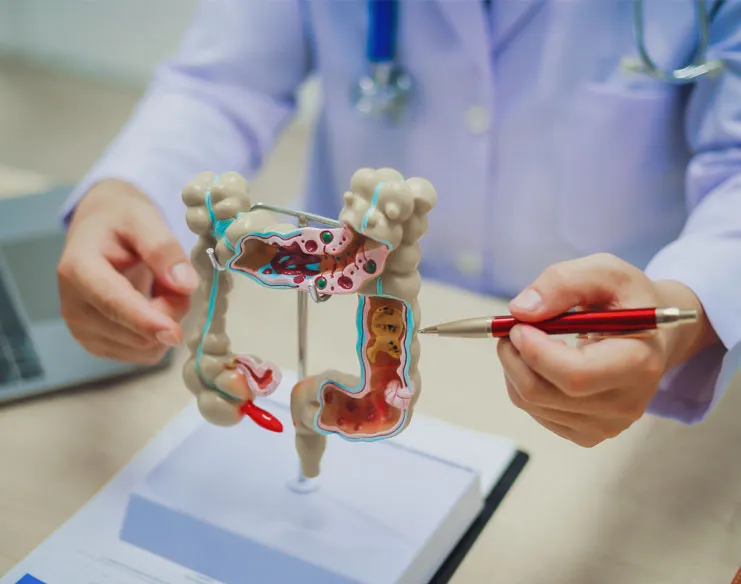
Colorectal cancer may develop without obvious symptoms, particularly during its early stages. This makes screening an important part of preventive healthcare, as it can help detect colorectal cancer or precancerous polyps before symptoms appear. For those considering colorectal screening Singapore, several options may be available depending on age, family history, medical history and individual risk factors.
These include stool-based tests such as the faecal immunochemical test (FIT) and procedures such as colonoscopy. Understanding how each screening method works can help individuals discuss the most appropriate option with their doctor. Read more about colonoscopy in Singapore here https://gastrohealth.com.sg/complete-guide-on-colonoscopy-procedure-in-singapore/.
Who Should Consider Colorectal Screening Singapore?
The need for colorectal screening can vary between individuals. Age is an important consideration because the risk of colorectal cancer generally increases as people get older. Screening may also be particularly relevant for people with certain risk factors, including:
- Increasing age: The risk of colorectal cancer tends to rise with age, making regular screening increasingly important.
- Family history: Having a close family member with colorectal cancer or colorectal polyps may increase personal risk.
- Previous polyps: People who have previously had colorectal polyps may require follow-up examinations based on the number, size and type of polyps found.
- Personal medical history: Certain medical conditions or previous colorectal problems may influence screening recommendations.
Signs such as blood in the stool, persistent changes in bowel habits, unexplained weight loss or ongoing abdominal discomfort should be assessed by a doctor rather than waiting for routine screening.
FIT: A Simple Stool-Based Screening Test
The faecal immunochemical test (FIT) is a non-invasive screening method that checks a stool sample for small amounts of blood that may not be visible to the naked eye. Blood in the stool can sometimes be associated with colorectal polyps or cancer, although there can also be other causes.
Some of the features of FIT include:
- Simple collection: A small stool sample is collected at home using a test kit.
- Non-invasive: FIT does not require an endoscopic procedure or sedation.
- Convenient: The test can be completed without taking time for bowel preparation or a clinic-based procedure.
- Regular screening: FIT may need to be repeated at recommended intervals to maintain its role in screening.
An important point is that FIT is a screening test rather than a definitive diagnosis.
Colonoscopy: What It Involves and What It Can Detect
Colonoscopy is an endoscopic procedure that allows a doctor to examine the lining of the rectum and entire colon using a flexible tube with a small camera. It can help identify abnormalities such as colorectal polyps, inflammation, bleeding and colorectal cancer. Unlike stool-based screening tests, colonoscopy also allows certain findings to be addressed during the same procedure.
During a colonoscopy, the doctor may:
- Examine the colon: The camera provides a detailed view of the bowel lining.
- Identify polyps: Polyps can be detected even when they have not caused noticeable symptoms.
- Remove polyps: Where appropriate, polyps may be removed during the procedure and sent for laboratory examination.
- Take biopsies: Small tissue samples may be collected if an area requires further assessment.
Preparation is an important part of the process. Patients are generally given instructions to clear the bowel beforehand so that the doctor can obtain a clear view. Sedation may also be discussed depending on the individual and the clinical setting.
Other Colorectal Screening Options
While FIT and colonoscopy are commonly discussed when considering colorectal screening, they are not the only approaches available. Depending on an individual’s circumstances, other screening methods may also be considered. These can differ in how they are performed, how often they need to be repeated and whether a follow-up colonoscopy is required.
Other options may include:
- Stool DNA tests: These analyse stool for certain genetic changes and blood that may be associated with colorectal cancer or polyps.
- CT colonography: Also known as a virtual colonoscopy, this imaging test uses CT scans to produce images of the colon without inserting a camera throughout the bowel.
- Flexible sigmoidoscopy: This procedure examines the lower part of the colon and rectum using a flexible viewing instrument.
Each method has its own advantages and limitations. For example, some tests are less invasive but may require a colonoscopy if an abnormality is detected.
How To Choose The Right Screening Approach
There is no single colorectal screening method that is suitable for everyone. The choice between FIT, colonoscopy and other screening options can depend on several individual factors. A doctor may consider:
- Age: Screening needs can change as a person gets older.
- Family history: A history of colorectal cancer or polyps in close relatives may affect the recommended approach.
- Previous screening results: Earlier findings, particularly previous polyps, may influence the need for follow-up colonoscopy.
- Personal medical history: Certain conditions may affect colorectal cancer risk or screening recommendations.
- Current symptoms: Symptoms such as rectal bleeding or persistent changes in bowel habits may require diagnostic assessment rather than routine screening.
FIT may appeal to people looking for a simple, non-invasive screening test, while colonoscopy provides a direct examination of the colon and allows certain polyps to be removed during the procedure.
What Happens After A Screening Result?
The next step after colorectal screening depends on the type of test performed and the result. A normal result may mean continuing with screening at the recommended interval, while an abnormal result may require further investigation. For example:
- Negative FIT: A negative result generally means no blood was detected in the sample, but regular screening may still be needed.
- Positive FIT: Further assessment, commonly with a colonoscopy, may be recommended to determine the source of the bleeding.
- Normal colonoscopy: If no significant abnormalities are found, the doctor can advise when screening or follow-up should be considered again.
- Polyps found during colonoscopy: Polyps may be removed where appropriate and sent for laboratory analysis. Follow-up recommendations can depend on their number, size and type.
- Other abnormalities: Areas that appear unusual may be biopsied for further assessment.
Conclusion
Colorectal screening can help identify colorectal cancer and precancerous changes before symptoms develop. FIT offers a simple, non-invasive screening option, while colonoscopy provides a direct examination of the colon and may allow polyps to be removed during the procedure.
The most appropriate approach depends on factors such as age, family history, medical history and individual risk. For enquiries or to arrange a visit, you can contact our clinic at:
Gastrohealth Clinic @ Gleneagles – Dr Bhavesh Doshi | Gastroscopy | Colonoscopy | Health Screening | EUS and ERCP Singapore
6A Napier Rd, #05-35C Gleneagles Hospital Annexe Block, Singapore 258500
Phone: +65 6355 5773
