

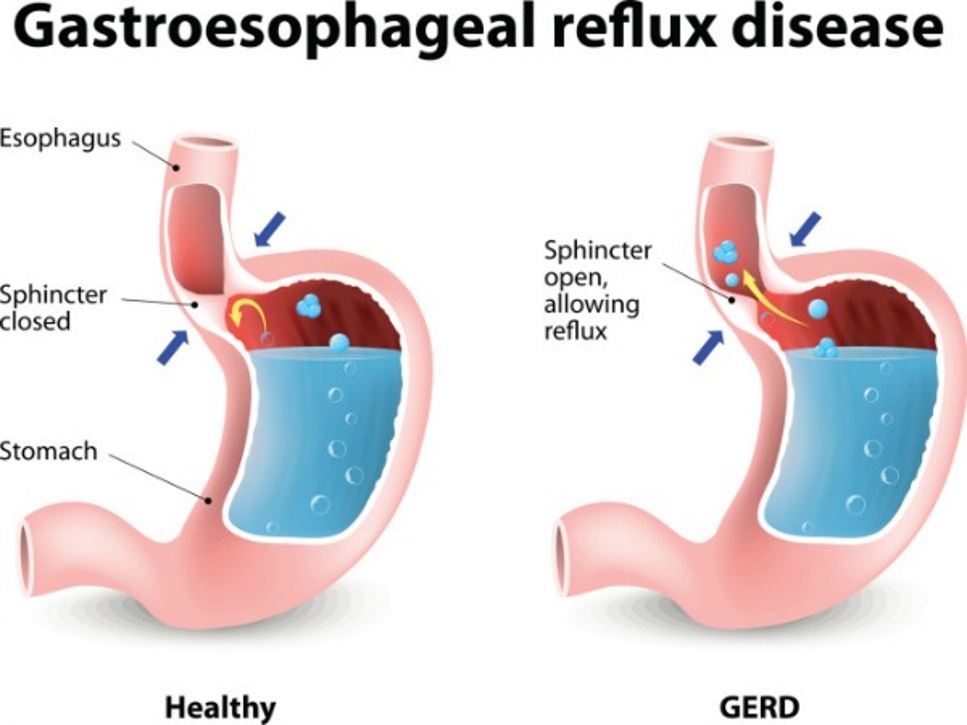
Gastroesophageal Reflux Disease (GERD) is a persistent condition that is usually caused by structural issues in your body or food that can trigger it to occur. However, there is one factor that has been found to play a key role in not only aggravating this condition, but also influencing its onset and constancy: stress. If you have been under a lot of stress and experience regurgitation and heartburn frequently, then you may need to set an appointment with a GERD specialist clinic in Singapore and seek an assessment. GERD can be chronic and without proper treatment, it can cause a lifelong cycle of suffering.
How can stress cause GERD?
Stress alone cannot trigger the onset of GERD. Generally, this issue is caused by a structural problem like having a weak lower esophageal sphincter (LES). Nevertheless, stress can act as a catalyst in promoting acid reflux whenever your body is under extreme anxiety or pressure, leading to the disruption of your digestive system’s normal functions. Let’s take a deeper look at how stress can result in GERD:
- Increased production of acid. A common reaction of the body when it is faced with stress is to activate the “fight or flight” response. When this occurs, stress hormones like adrenaline, cortisol, and norepinephrine flood your body and readies it for action. While this preparation may be taken in a positive light as your body can “defend” itself, its effect on your stomach is less beneficial. Too much stress hormones can stimulate the parietal cells in your stomach to produce more hydrochloric acid. A build up of this acid in your stomach is not good as it increases the probability of flowing back into the esophagus and aggravating the severity of GERD symptoms.
- Elevated sensitivity of the esophagus. Aside from increasing acid production in your stomach, stress can likewise make your esophagus more vulnerable. Chronic stress can strengthen the pain signals sent to the brain from the esophagus, which can make your body lower its threshold for discomfort, a phenomenon known as visceral hypersensitivity. An example of this is when your stomach regurgitates a normal amount of acid into the esophagus and your body treats the discomfort or pain as severe during times when you are stressed.
- Weakened esophagus and LES function. Your esophagus contracts following a rhythm to be able to push down the food that you intake and avoid any backflow of acid. This sequence can be disrupted when you are stressed, resulting in your esophagus’ delay in clearing the acid that enters its area. In addition, during stressful conditions, your stomach can be more tense and this pressure may overwhelm the normal functions of your lower esophageal sphincter (LES), disabling its ability to remain tightly shut. Some studies discovered that acute stress can briefly loosen the LES, which can allow acid reflux.
- Slowed emptying of the stomach. Chronic stress can affect your body’s timeline of digesting the food in your stomach and moving it to your small intestine. Acid can pool rapidly in your stomach when food stays in it for a long time, increasing the chances of regurgitation and heartburn.
- The vicious loop. GERD that links to stress can create a relentless and burdening cycle. Being exposed to its symptoms on a daily basis can make you feel anxious, frustrated, tired, and worse–depressed. This toll on your emotions can complicate your existing condition and become an endless battle that can be difficult to resolve without any treatment intervention.
What are the distinct symptoms of GERD?
There are various symptoms of GERD and some may be similar to other health conditions. The most distinct signs that you may have GERD are heartburn and regurgitation.
- A classic and usual symptom of GERD, heartburn often occurs after you eat and can be felt stronger whenever you bend over, lie down, or during the night time. Your chest feels a sharp and burning sensation that can spread to your throat and neck. It may sometimes be mistaken for a heart attack.
- This happens when the acid from your stomach flows into your esophagus. You will feel an acidic or bitter taste as sour liquid or even your food leaks back to your throat or your mouth, particularly when you lie down or bend over.
Other signs of GERD include bad breath, chronic cough, chest pain, dysphagia or difficulty swallowing, Globus Sensation or feeling a lump at the back of your throat, hoarseness, nausea, sore throat, and Water Brash or excessive salivation.
When should you see a GERD specialist in Singapore?
Because this condition has many signs that may also indicate other health disorders, it is crucial that you consult with a GERD specialist in Singapore to get the right diagnosis and treatment. A gastroenterologist is an expert in treating GERD and you should see one when:
- You experience the “red flag” symptoms. You should immediately consult with a gastroenterologist when you experience the following signs as they can sound the alarm for other underlying conditions:
- Anemia
- Black, tarry stools
- Dysphagia or difficulty swallowing
- Odynophagia or pain when swallowing
- Nausea
- Unintentional weight loss
- Vomiting constantly and with stains of blood
- You have concerns about complications. GERD that is not managed the right way can lead to severe complications, such as:
- Barrett’s Esophagus – This is a condition that can progress to esophageal cancer. It occurs when the lining of your esophagus changes following the repeated burns and damage caused by acid reflux.
- Esophagitis – Inflammation of your esophagus
- Esophageal Stricture – A condition wherein you have difficulty swallowing as your esophagus narrows brought about by scarring.
- Your symptoms are persistent despite trying conservative treatments. If you have tried other conservative solutions, such as adjusting your diet, habits that reduce stress, or regular use of antacids and these no longer work, then a GERD specialist can evaluate your condition and recommend more potent treatments to manage your health.
A GERD specialist can provide certain medical tests to diagnose and determine the severity of your GERD symptoms. Diagnostic tests like endoscopy, pH monitoring, or esophageal manometry can be performed and the results from these examinations will be used by your gastroenterologist to create a treatment plan.
