
Online gaming platforms are convenient because you can access your account from a phone, tablet, or computer. However, convenience also means you need to take basic security steps to protect your personal information and account access.
If you use 91 Club Login, securing your account should be a priority. A strong password, careful login habits, and awareness of suspicious messages can reduce the chances of unauthorized access. You should also avoid sharing sensitive account details with other people, even if someone claims to be offering technical support.
This guide explains practical ways to protect your 91 Club account and what to do if you notice something unusual.
Why Account Security Matters
Your login credentials are the main barrier between your account and anyone trying to access it without permission. If someone obtains your username, password, or verification information, they may be able to enter your account.
Good security does not require complicated technical knowledge. Most protection comes from a few simple habits that you can follow every time you log in.
For example, using a unique password for your gaming account is much safer than using the same password for your email, social media, and other websites.
Use a Strong and Unique Password
One of the easiest ways to improve your 91 Club Login security is to create a strong password.
Avoid passwords that contain information that other people can easily guess, such as your name, birthday, phone number, or simple sequences like 123456.
A better password should be:
- Long enough to be difficult to guess
- Unique to your 91 Club account
- Made with a mixture of letters, numbers, and symbols where supported
- Different from passwords used on other websites
- Not based on easily available personal information
Avoid Reusing Old Passwords
Password reuse creates a major security problem. Suppose you use the same password for an unrelated website and your 91 Club account. If the other website experiences a security breach, attackers may try those leaked credentials on other services.
Using a separate password limits the damage if another account is compromised.
Consider a Password Manager
If you have trouble remembering different passwords, a reputable password manager can help. It can generate and store unique passwords so you do not have to memorize every one.
Make sure you use a strong master password and protect the password manager itself carefully.
Be Careful With Your 91 Club Login Details
Never casually share your username, password, verification codes, or other sensitive account information.
Someone may contact you through social media or messaging apps and claim that they need your login information to “verify” your account. Treat these requests with caution.
A legitimate support process should not require you to hand over your password.
If you receive an unexpected message asking for sensitive information, do not immediately respond. Instead, verify the request through the platform’s official support or communication channels.
Check the Website Before Logging In
Before entering your login details, make sure you are using the correct website or official application.
Scammers sometimes create fake login pages that look similar to genuine websites. Their goal is to trick users into entering usernames and passwords.
Watch for Suspicious Login Pages
Before signing in, check:
- The website address carefully
- Whether the address contains unexpected words or characters
- Whether the page was reached through a suspicious advertisement or message
- Whether the website connection appears secure
- Whether the page design or wording looks unusually different
A padlock or HTTPS connection alone does not prove that a website is legitimate. A fraudulent website can also use HTTPS, so checking the actual domain is important.
Avoid Suspicious Links
Be cautious when someone sends you a link claiming to provide a special 91 Club Login page, bonus, account verification, or urgent security update.
Phishing messages often create a sense of urgency. For example, a message might claim that your account will be blocked unless you log in immediately.
Instead of clicking the link, open your normal browser and navigate to the platform through a trusted source.
This simple habit can prevent many phishing attempts.
Protect Your Phone and Computer
Account security also depends on the device you use to log in.
If your phone or computer is not properly protected, someone with access to the device may be able to access saved passwords, messages, or other account information.
Keep Your Device Updated
Install security and software updates when they become available. Updates can fix known vulnerabilities and improve the overall security of your device.
You should also use a screen lock such as:
- PIN
- Password
- Fingerprint
- Face recognition
Do not leave your device unlocked in public places.
Be Careful on Shared Devices
Logging into your account from someone else’s phone or a public computer can create additional risks.
If you must use a shared device, avoid saving your password in the browser. After finishing, log out completely and make sure your credentials have not been saved.
For sensitive accounts, using your own trusted device is generally safer.
Avoid Public Wi-Fi for Sensitive Logins
Public Wi-Fi networks at cafes, hotels, airports, or other shared locations can carry additional security risks.
If you need to access your 91 Club account while using public Wi-Fi, be especially careful about the website you are visiting and avoid clicking unknown links.
For important account activity, using a trusted private connection is preferable.
Never Share Verification Codes
If your account uses a one-time verification code, treat that code as private information.
A verification code can sometimes be used to prove that the person attempting to access an account has control of a particular device or communication channel.
If someone asks you to send them a code that was sent to your phone or email, do not share it without independently confirming why it is needed.
What If Someone Says They Are Support?
Be skeptical if a stranger contacts you and asks for:
- Your password
- A one-time verification code
- Payment credentials
- Screenshots containing sensitive information
- Complete account recovery details
You should verify support requests through official channels rather than trusting an unsolicited message.
Monitor Your Account Regularly
Regularly checking your account can help you notice unusual activity sooner.
Pay attention to anything you do not recognize, such as unexpected changes to your account details or activity that you did not perform.
If something looks suspicious, change your password as soon as possible and follow the platform’s official account-recovery or support procedures.
Keeping records of important account information can also make it easier to explain a problem if you need assistance.
Log Out When You Finish
Logging out is especially important when you use a shared computer or another person’s device.
Even if you trust the person who owns the device, someone else could later use it.
After completing your session:
- Log out of your account.
- Close the browser if you are using a shared device.
- Avoid saving passwords on public computers.
- Check that your account is no longer accessible from the device.
These steps take only a few seconds but can provide an extra layer of protection.
Be Careful With Downloads
Do not install unknown applications, browser extensions, or files simply because someone says they are required for your account.
Untrusted software can potentially expose passwords or other private information.
Only download applications from reputable sources, and review what an application is asking permission to access before installing it.
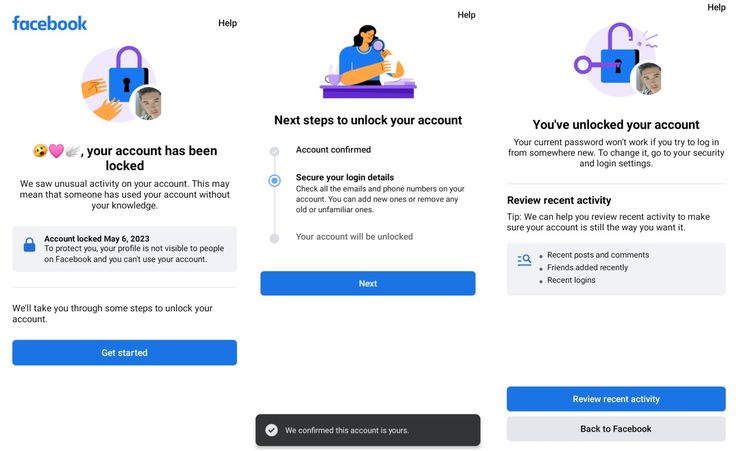
What to Do If You Think Your Account Is Compromised
If you believe someone has accessed your 91 Club account without permission, act quickly.
First, change your password if you can still access the account. If you used the same password elsewhere, change it on those services too.
Next, review your account for unfamiliar activity and contact the platform’s official support team if necessary.
If your account involves financial transactions, carefully review your transaction history and contact the relevant payment provider if you notice an unauthorized transaction.
A Simple Security Checklist
Before using 91 Club Login, make sure you:
- Use a strong, unique password
- Never share your password
- Keep verification codes private
- Check the website address before logging in
- Avoid suspicious links
- Keep your phone and computer updated
- Use a screen lock
- Be cautious with public or shared devices
- Log out after using another device
- Monitor your account for unusual activity
Final Thoughts
Keeping your 91 Club Login account secure does not have to be complicated. The most important habits are simple: use a unique password, protect verification codes, avoid suspicious links, check the website before entering your credentials, and keep your devices protected.
You should also remember that no security method can eliminate every risk. Staying alert is just as important as using technical protections.
